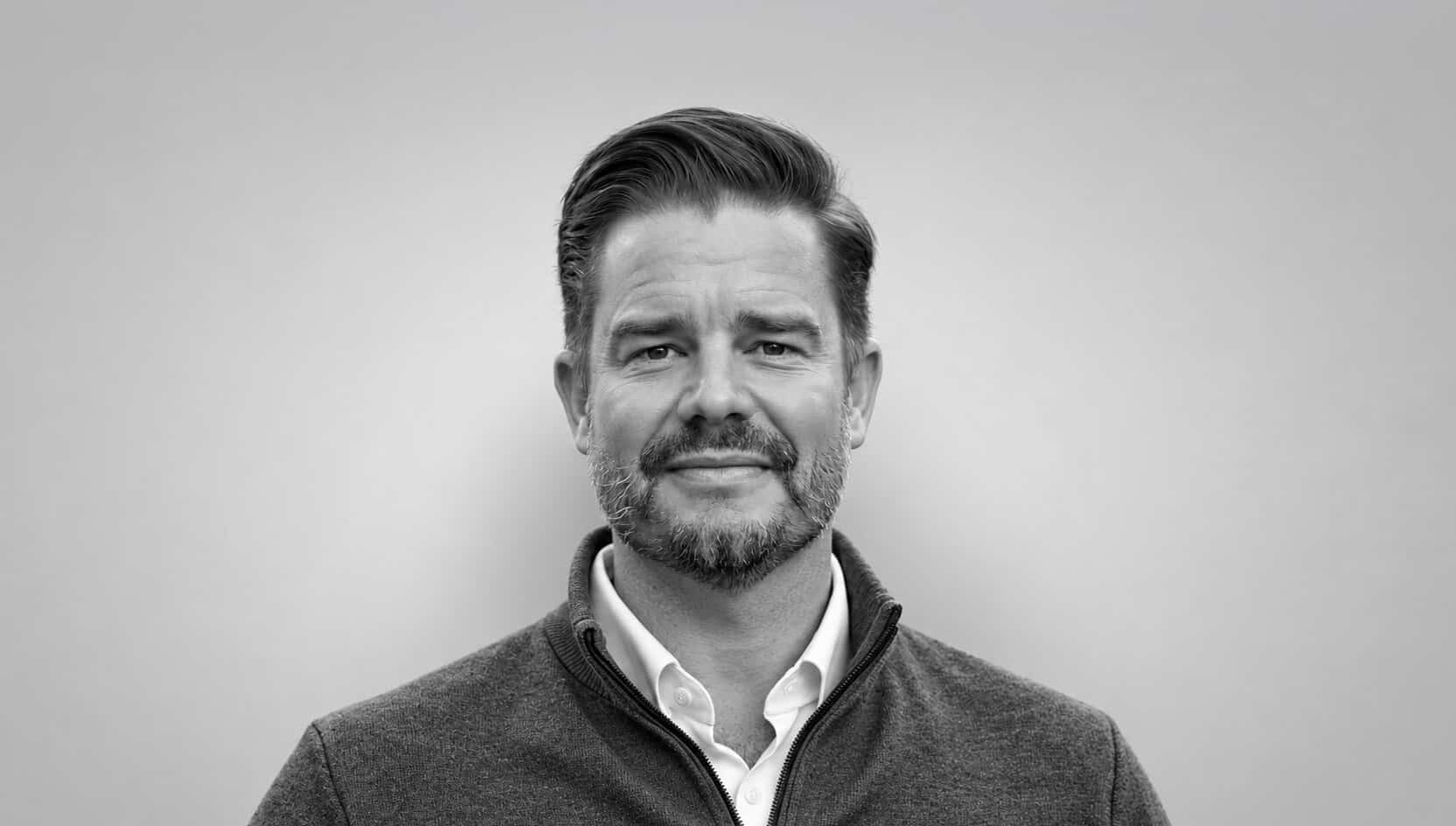


This article is authored by Sophy Regelous, Global Head of Advisory and AI Automation, InnerGroup.
AI is no longer a future-state conversation.
It is already inside marketing. Teams are testing tools, generating content, automating tasks, experimenting with agents and being asked by leadership to show results. The expectation is clear: marketing should be faster, smarter, more efficient and more scalable.
The harder question is how.
The question nobody is answering
What actually changes? Which roles evolve? Which processes disappear? Where does human judgment still matter? What should internal marketing operations, creative operations and in-house agency leaders redesign first?
Because adding AI to a last-century process does not create transformation. It creates a faster version of the same bottleneck.
How modern marketing actually moves
Most marketing operating models were designed around linear movement. Brief in. Work assigned. Creative developed. Review completed. Assets delivered. Performance measured later. That structure made sense when work was more predictable and content demand was easier to contain.
Modern marketing does not move that way.
Demand is constant. Content needs multiply across channels, markets, formats and audiences. Campaigns change while they are live. Personalization requires more variants. Performance signals arrive midstream. AI can now accelerate creation, but the surrounding agency operations model often cannot absorb the speed.
This is where many organizations are stuck.
The gap between AI ambition and AI readiness
They have AI tools, but not an AI-ready operating model. They have ambition, but not architecture. They have pressure to move faster, but still rely on the same sequential process, manual coordination and unclear decision rights that slowed them down in the first place.
The next workflow cannot simply be the old workflow with AI tools added to each role.
It needs to be built around how work actually moves in an adaptive marketing system.
Not one process. Three connected pillars
That starts with removing the assumption that all work follows one process. It does not. A new campaign concept does not need the same model as banner versioning. A high-risk regulated asset does not move like a social adaptation. A global platform idea does not require the same structure as local market scaling.
The workflow of the future is built around three connected pillars: Creation, Production and Scale.
Creation is where strategic and creative judgment lead. This is the space for ideas, concepts, campaign platforms, messaging, experience design and brand direction. AI may support research, inspiration, draft options and rapid exploration, but human judgment remains central. The role of the team is not to produce endless outputs. It is to define the creative and strategic foundation strong enough to travel.
Production is where the approved idea becomes executable work. This is where assets are developed, adapted, reviewed, checked, refined and prepared for use. In this pillar, creative operations becomes critical. The focus shifts from managing every handoff manually to designing the flow of work: what can be automated, what requires human review, what guardrails apply, what dependencies exist and how quality is protected without slowing everything down.
Scale is where the system expands the work across channels, markets, formats, audiences and use cases. This is where AI, automation, brand intelligence and operational agents become especially powerful. The goal is not just to make more assets. The goal is to scale with control. The system needs to know what rules apply, what can change, what must remain consistent, what requires approval and where performance signals should trigger adaptation.
What this means for marketing operations leaders
This three-pillar model changes the role of internal marketing operations and in-house agency leadership.
Instead of forcing every request through one linear process, leaders can design the right operating path for the right type of work. Creation work gets the strategic space it needs. Production work gets the structure and quality control it requires. Scale work gets the automation, governance and intelligence needed to move efficiently.
That is the practical shift AI demands.
Not “replace people.” Not “do everything faster.” Not “let every team use whatever tool they want and hope the system holds.”
The real shift is from role-based coordination to system-based orchestration.
In the old model, people carried the process. Project managers chased status. Creative leads clarified intent. Marketing managers negotiated priorities. Operations teams translated the work from one group to another. Everyone became part of the invisible machinery required to keep the system moving.
In the new model, much of that machinery needs to be designed into the operating architecture.
Operational AI agents can help clarify briefs, surface missing information, recommend routing, apply brand and compliance guardrails, identify capacity constraints and trigger the right next step. Creative automation can support versioning and adaptation. Brand intelligence can help standards move through the system, not just sit in a PDF. Human teams can focus on the moments that actually require judgment, creativity, risk assessment and leadership.
That is where the workflow starts to change.
You still need creative leaders, strategists, designers, writers, producers, marketers and operations experts. But you also need clearer ownership of the system itself. Who governs the creation model? Who owns production flow? Who manages scale logic? Who maintains brand intelligence? Who monitors agent performance? Who defines decision rights? Who connects capacity, demand and performance?
These responsibilities already exist. Today, they are often buried inside meetings, escalation threads and heroic individual effort. The future workflow makes them visible, intentional and accountable.
For CMOs and senior operations leaders, this is the moment to get specific. AI is here. The pressure to prove value is real. But value will not come from piling new tools onto old process.
It will come from redesigning how marketing work is organized.
Three pillars. Three different types of work. Three different operating needs. One adaptive system.
InnerGroup’s InnerAssessment helps identify where friction is showing up across your internal marketing operations, creative operations, agency operations and in-house agency model. It gives leaders a clearer view of whether current structures are ready for AI-enabled scale, or whether teams are still compensating for a process that was not built for the work ahead.
If your organization is ready to move beyond last-century process and define the workflow of the future, complete the InnerAssessment survey or reach out to InnerGroup to explore how Adaptive Operations can help you design what changes next.